AI in Renewable Energy
In 2025, the renewable energy sector is growing stronger and more advanced. As climate challenges increase and global energy needs rise, new technologies are helping us produce and manage clean power in better ways. Wind energy, in particular, is becoming more efficient and affordable, allowing experts to make smarter choices.
This article explores how innovation is shaping the future of renewable energy. It looks at how engineers are designing more effective wind farms, maintaining turbines with greater ease, managing the energy grid with more precision, and predicting offshore wind conditions.
These improvements are helping build a cleaner, more reliable, and sustainable energy system. Renewable energy is also creating jobs and making energy more accessible in communities that need it most.
Smarter Decisions with AI in Renewable Energy
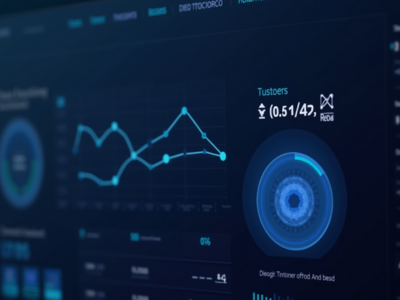
Engineers and planners now use AI in renewable energy to make informed decisions based on real-time data. Instead of relying on manual analysis, AI systems process large volumes of information to predict equipment issues, optimize performance, and increase energy output.
At the National Renewable Energy Laboratory, researchers created the Wind Plant Graph Neural Network. This model evaluated hundreds of thousands of wind farm layouts to identify the most efficient designs for energy generation, land use, and cost savings. It also supports wake steering, which adjusts turbine angles to reduce wind interference and boost output.
Improving Wind Turbine Maintenance
Wind turbines operate in demanding environments, especially offshore. Strong winds, saltwater, and constant motion create wear and tear. AI in renewable energy helps solve this challenge by using smart sensors embedded in turbine blades and gearboxes. These sensors monitor vibrations, temperature, and pressure.
Engineers interrogate the data to identify early indicators of damage. The system alerts maintenance teams before issues arise, allowing them to be proactive. This proactive approach ultimately allows for extended turbine life, reduces downtime, and increases overall energy efficiency.
Managing the Grid with AI in Renewable Energy
Wind and solar energy vary with conditions, which creates challenges for grid management. AI in renewable energy facilitates balancing supply and demand through real-time assessments of data from power stations, transmission lines, and energy storage systems.
The U.S. Department of Energy employs AI-powered tools to forecast energy demand, detect outages, and reroute electricity efficiently. These tools improve grid reliability and support a smooth transition to clean energy across the country.
Forecasting Offshore Wind with Machine Learning
Offshore wind farms generate a huge amount of energy; however, predicting wind patterns over the ocean remains difficult. Now, experts are using advanced tools that combine satellite data, ocean currents, and weather forecast data to better understand the wind speed.
The data helps operators make preventative decisions and estimate maintenance time and energy generation more efficiently. It also helps governments choose the best places for new offshore wind farms to improve efficiency and minimize costs.
Building a Cleaner, Inclusive Future
AI in renewable energy not only promotes technical innovations, but it also helps ensure a more equitable energy future. The Department of Energy promotes more equitable work through its auto permitting program, VoltAIc, which accelerates permitting for clean energy projects. Tools like PolicyAI speed up review time for environmental impact statements, enabling local governments to implement renewable infrastructure more quickly.
AI also expands access to clean energy for historically underserved communities and many of these jobs in data science, engineering, and wind technology are a means of lifting communities and through the vision of having 44 percent of electricity generation in the United States from renewables by 2050, I expect to see AI in renewable energy continue to improve efficiency and advance equity.
Conclusion: The Wind Is Changing
In 2025, AI in renewable energy stands at the center of a global shift toward cleaner power. It improves wind farm design, enhances turbine maintenance, strengthens grid management, and refines offshore forecasting. Most importantly, it helps build a future that is efficient, inclusive, and sustainable.
The wind is changing, and AI is helping us harness it to power a better tomorrow.
Resources
NREL- NREL’s Artificial Intelligence Work Reveals Benefits to Wind Industry
U.S. Department of Energy- AI for Energy – Opportunities for a Modern Grid and Clean Energy Sandia National Laboratories- AI FOR GRID AND ENERGY OVERVIEW
About the Author