The restaurant world loves reinvention. Ghost Kitchens lead that reinvention with quiet precision. They skip the dining room, embrace data, and scale fast. Consequently, they challenge tradition while rewarding efficiency. This invisible model blends technology with culinary craft. Therefore, it reshapes restaurant economics and consumer behavior in profound ways.
What Are Ghost Kitchens, Exactly?
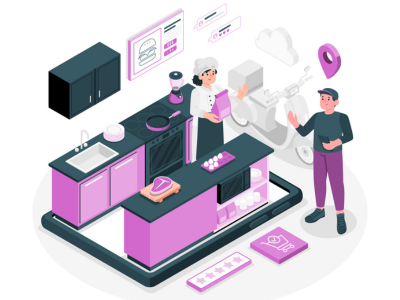
Ghost Kitchens operate without a dine-in space. They prepare food exclusively for delivery and pickup. As a result, they streamline operations and reduce overhead. They often house multiple virtual brands under one roof. Thus, one team serves burgers, bowls, and desserts simultaneously. The experience begins in an app and ends at your door.
Why the Model Works: Economics Reimagined
Traditional restaurants carry high fixed costs. Rents, décor, and front-of-house staff create pressure. Ghost Kitchens reduce those costs drastically. Hence, more capital flows to operations and quality—smaller spaces lower rent. Cross-trained teams reduce payroll. Standardized stations improve throughput and consistency.
Additionally, variable costs respond to real-time demand. Operators flex staff, menu items, and prep batches dynamically. Consequently, waste drops and margins rise. Packaging becomes a core investment, not an afterthought. Designs protect texture, temperature, and aroma during travel. Therefore, repeat orders grow with reliable delivery performance.
Virtual Brands: Revenue Engineering in Action
Ghost Kitchens thrive on portfolio strategy. In fact, one kitchen can host several distinct brands. Moreover, each brand targets a specific niche, occasion, or time window. For example, breakfast wraps dominate mornings, while wings rule game nights. Similarly, vegan bowls attract health-conscious regulars. As a result, this mix spreads risk and maximizes reach.
Moreover, digital storefronts enable rapid testing. Teams A/B test images, copy, and price points daily. They scale winners while retiring laggards swiftly. Data guides menu tweaks and promotional timing. Consequently, innovation never stalls, and customer fit improves.
Discovery by Algorithm: How Consumers Choose
Consumers once chose dinner at a host stand. However, today they scroll through curated lists and filters. Consequently, Ghost Kitchens depend on ranking, ratings, and delivery estimates. Moreover, strong photography and crisp descriptions influence clicks. In addition, short names and clear value propositions help conversion.
Furthermore, dietary tags speed decisions. Labels like “gluten-free” or “high-protein” clarify choices. Estimated delivery times shape expectations. Push notifications nudge impulse orders. Loyalty lives in apps, not punch cards. Therefore, the journey becomes search, select, track, unbox, and review.
Packaging Is Performance, Not Packaging
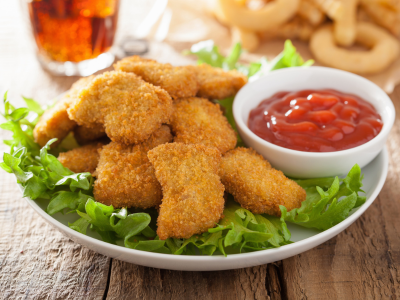
For Ghost Kitchens, the plate is a box. Texture must survive traffic lights and speed bumps. Vent holes preserve crispness for fries and wings. Insulation protects soups and curries from heat loss. Separate sauce compartments prevent sogginess for wraps.
Additionally, labels offer reassurance and clarity. Allergens, reheating steps, and sustainability claims build trust. Unboxing becomes part of the brand story. Consequently, packaging drives repeat business as much as flavor.
Labor: Lean, Cross-Trained, and Tech-Assisted
Inside Ghost Kitchens, roles remain focused yet flexible. Teams cross-train for prep, cook, and pack tasks. Software prioritizes tickets and batches orders efficiently. As a result, idle time shrinks and throughput improves. Schedules follow demand curves instead of set dining hours.
However, speed must not sacrifice quality. Clear SOPs reduce errors and refunds. Visual guides and checklists improve consistency. Training emphasizes food safety alongside presentation. Consequently, morale rises as workflows feel predictable and fair.
Location Strategy: Hidden but Highly Strategic
Ghost Kitchens choose sites for delivery logic, not curb appeal. Industrial zones near dense neighborhoods often win. Proximity to arterial roads reduces travel time. Satellite kitchens serve high-demand radii precisely. Thus, freshness improves, and courier miles shrink.
Operators map order heat and traffic patterns carefully. They place units like chess pieces on a city grid—rent, radius, and speed balance in each decision. Therefore, the scale grows without diluting quality.
Unit Economics: Four Levers That Matter
Unit economics in Ghost Kitchens revolve around four levers. Labor, packaging, ingredients, and delivery fees drive margins. Cross-training keeps labor lean and adaptable. Packaging adds cost but protects repeat loyalty. Ingredient prices fluctuate with markets and seasons. Platform fees and courier incentives shape profitability.
Additionally, promotions can distort margins quickly. Deep discounts attract first orders but hurt cash flow. Smart operators track cohorts and lifetime value. Bundles and meal kits lift average ticket size. Consequently, sustainable growth beats vanity metrics.
Platforms: Friends, Frenemies, and Fees
Delivery platforms supply demand at scale. They also charge for that access. Ghost Kitchens dance a careful waltz with marketplaces. Listings boost reach yet compress margins. Hence, many kitchens build hybrid channels. They sell on platforms and drive direct orders simultaneously.
Moreover, platforms offer ads and analytics tools. Dependency, however, can grow subtly. Strong social presence and email lists counterbalance that risk. Branded loyalty perks encourage direct repeats. Therefore, operators own more of the relationship over time.
Menu Engineering: Designed for Distance
Not every dish travels gracefully. Ghost Kitchens curate menus for motion and resilience. Crispy items use airflow containers and vented lids. Saucy items use secure seals and spill-proof cups. Cold components travel separately when needed.
Chefs adjust textures and resting times scientifically. Fry times, sauce viscosities, and starch choices affect travel. Menus also simplify during peak windows. Fewer SKUs reduce errors and speed assembly. Consequently, quality and speed can coexist reliably.
Brand Building Without a Signboard
Branding for Ghost Kitchens happens on screens and in boxes. Names, icons, and colors must pop on mobile devices. Clear USP statements help consumers choose fast. Thoughtful packaging extends the brand at home. Stickers, thank-you notes, and QR codes add delight.
Storytelling remains powerful and portable. Chef profiles, sourcing narratives, and seasonal menus engage fans. Partnerships with local producers add authenticity. Community tie-ins build credibility and warmth. Thus, digital identity feels tangible without a storefront.
Sustainability: Efficiency Meets Responsibility
Sustainability presents a nuanced challenge. Ghost Kitchens save energy by skipping dining rooms. Yet packaging can create waste pressure. Responsible operators choose recyclable or compostable materials. They right-size containers to reduce excess and leakage.
Route optimization lowers emissions and improves ETA accuracy: local sourcing trims distance and storage. Seasonal menus reduce spoilage and volatility. Consequently, economics and sustainability can align nicely.
Risks and Pitfalls: Not Every Ghost Behaves
The model carries real risks. Platform dependence can cap margins. Brand confusion across many labels can erode trust. Quality control may slip during surges. Delivery mishaps can damage reviews despite good food.
Thus, guardrails matter. Distinct positioning protects brand clarity. Rigorous SOPs protect consistency in hectic shifts. Hybrid channels reduce platform risk. Incentives should reward accuracy as well as speed. Therefore, resilience grows alongside revenue.
The Consumer Ritual Has Evolved
Consumers treat meals like e-commerce now. They compare, click, track, and rate with ease. Ghost Kitchens fit that ritual perfectly. However, social dining joy still matters deeply. People still crave ambiance and occasion.
Therefore, the future looks blended, not binary. Delivery satisfies convenience and comfort. On-premise satisfies celebration and connection. Transparent origins and nutrition info bolster trust. Playful copy and thoughtful packaging amplify delight. Consequently, loyalty forms through reliable moments and small surprises.
India’s Momentum and Local Nuances
Dense cities reward speed and variety. Ghost Kitchens thrive with gravies, biryanis, rolls, and chaats. Spice-forward menus travel well with smart containers. Value bundles attract families and office teams. Festive packs align beautifully with local calendars.
Price sensitivity demands tight engineering and sourcing. Kitchens win with efficient menus and reliable packaging. Wallet offers and loyalty discounts maintain momentum. Consequently, adoption rises across diverse neighborhoods and tastes.
The Next Wave: AI, Robotics, and Hyper-Local
The future looks intelligent and nimble. Ghost Kitchens will use AI for demand forecasting. Systems will tune menus by neighborhood and hour. Dynamic pricing will balance load and margins. Robotics will handle repetitive prep safely and quickly.
Hyper-local satellites will shorten routes further. Freshness and reliability will increase dramatically. Interactive menus will guide choices by mood and diet. Sustainability reporting will become visible and standardized. Therefore, the invisible kitchen will feel more personal and transparent.
A Practical Playbook for Operators
If you plan to launch or refine Ghost Kitchens, follow these steps:
- Select travel-friendly dishes. Test texture after 20 minutes consistently.
- Engineer packaging. Balance cost, sustainability, and sensory protection.
- Build hybrid channels. Use platforms and direct ordering together.
- Optimize discovery. Invest in photography, copy, and keyword relevance.
- Train for consistency. Use SOPs, visual guides, and cross-training methods.
- Instrument your data. Test prices, bundles, and prep flows often.
- Clarify brand roles. Keep virtual labels distinct and promises clear.
- Design for peaks. Limit SKUs and batch smartly during busy windows.
- Track unit economics. Review labor, packaging, and fees weekly.
- Publish sustainability steps. Choose materials and routes responsibly.
The Bottom Line
Ghost Kitchens convert cooking into a digital-first service. They rewire costs, staffing, and consumer discovery. Moreover, they invite continuous iteration and agile branding. Consumers gain variety, speed, and reliable comfort. Operators gain flexibility, scale, and sharper margins. Therefore, this invisible revolution seems durable and exciting.
Dining is not disappearing. It is diversifying elegantly. Ghost Kitchens are a vital part of that evolution. As technology advances, distance will matter less than design. Consequently, food will meet moods and moments with uncanny precision. That future sounds delicious, even if you never see the kitchen.
About the Author