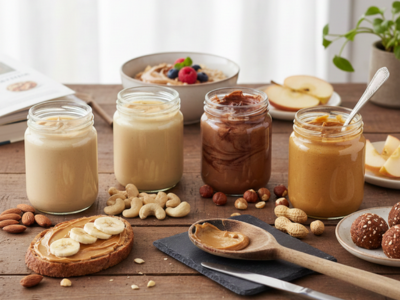
Nut butter has become a staple in modern kitchens because of its creamy texture, rich flavor, and nutritional benefits. Made by grinding whole nuts into a smooth paste, nut butter provides energy, essential nutrients, and a satisfying taste in every serving. Many people prefer butter over processed spreads because it delivers wholesome nutrition while being versatile for breakfast, snacks, and desserts. As its popularity grows, more individuals are discovering the ways nut butter can support both health and convenience in everyday meals.
Types of Nut Butter and Their Unique Benefits
There are several varieties of butter, each offering a distinct taste and nutritional profile. By exploring different types, people can enjoy variety and maximize health benefits.
- Almond Butter: Almond butter is mildly sweet, rich in vitamin E, and packed with antioxidants that support skin health. Its creamy texture makes it perfect for smoothies, oatmeal, and toast. In addition, almond butter provides heart-healthy fats that help sustain energy throughout the morning, making it an ideal choice for active lifestyles. Many people also enjoy almond butter as a snack paired with fruits or seeds, combining flavor with nutrition effortlessly.
- Cashew Butter: Cashew butter is naturally sweet and smooth, making it versatile for both desserts and savory dishes. It works well as a drizzle over oatmeal or blended into sauces, adding richness without extra sugar. Cashew butter is also an excellent source of magnesium, which supports nerve function, energy production, and cardiovascular health. Its subtle taste allows it to complement a wide range of recipes, from breakfast bowls to energy bars.
- Hazelnut Butter: Hazelnut butter is indulgent and aromatic, often paired with cocoa or coffee for a rich flavor experience. It contains essential nutrients such as vitamin E and monounsaturated fats, which help maintain heart health and overall wellness. Hazelnut butter can enhance desserts naturally while providing nutrient density, making it a wholesome alternative to sugary spreads. Its creamy texture ensures smooth incorporation into both sweet and savory recipes.
- Peanut Butter: Peanut butter remains a widely loved option because of its protein content, affordability, and distinctive nutty flavor. Many fitness enthusiasts use peanut butter as a post-workout snack to replenish energy and support muscle recovery. Peanut butter is also versatile in cooking, enhancing both savory dishes like stir-fries and sweet items such as cookies and energy bites. With consistent inclusion in meals, peanut butter contributes to satiety and long-lasting energy.
Nutritional Benefits of Nut Butter
Nut butter is more than just a flavorful spread; it is nutrient-dense and provides numerous health benefits when consumed regularly.
- Heart-Healthy Fats: One of the primary advantages of butter is its high content of monounsaturated fats. These healthy fats reduce LDL cholesterol levels, support cardiovascular function, and help manage inflammation naturally. Including butter in daily meals can be an effective strategy to maintain long-term heart health.
- Plant-Based Protein: Nut butter delivers plant-based protein that is essential for muscle maintenance, energy production, and satiety. Adding butter to breakfast, snacks, or post-workout meals ensures adequate protein intake for active individuals and supports overall wellness goals.
- Essential Minerals and Fiber: Nut butter contains magnesium, potassium, and zinc, which are vital for nerve function, hydration, and immunity. Additionally, its dietary fiber promotes digestive health and helps keep hunger under control between meals. By choosing butter with minimal additives, you can enjoy these benefits without compromising on flavor or nutritional value.
Incorporating Nut Butter into Your Daily Routine
Using nut butter daily is simple and highly versatile. It can enhance both flavor and nutrition in multiple ways.
- Smoothies and Breakfast: Adding a spoonful of butter to morning smoothies boosts creaminess, protein, and healthy fats. Spread on toast or pancakes, nut butter creates a balanced breakfast that provides long-lasting energy and satisfaction. Paired with fresh fruits, seeds, or oats, it offers a nutrient-dense start to the day.
- Baking and Desserts: In baking, nut butter can replace processed fats, adding flavor, moisture, and nutrition. Cookies, muffins, and energy bites benefit from the creamy texture while becoming more wholesome. Its natural sweetness enhances desserts, allowing for reduced sugar content without sacrificing taste.
- On-the-Go Snacks: For portable, nutritious snacks, pair butter with apples, celery, or rice cakes. These combinations provide sustained energy and satisfy cravings without resorting to processed alternatives. This versatility makes nut butter ideal for busy lifestyles or school lunches.
Choosing High-Quality Nut Butter
Selecting quality nut butter is essential for maximum health benefits. Look for options with minimal ingredients, ideally listing only nuts and optional natural seasonings. Avoid products containing added sugars, hydrogenated oils, or artificial additives to ensure you get the purest nutrients.
Proper Storage Tips
Store nut butter in a cool, dry place away from sunlight to preserve flavor, texture, and freshness. Refrigeration is optional but can help maintain firmness in warmer climates. Proper storage ensures that butter remains creamy and enjoyable for months.
Culinary Creativity with Nut Butter
Nut butter encourages culinary innovation. You can blend almond and cashew butter into sauces, stir it into soups, or combine hazelnut butter with cacao for homemade chocolate spreads. Its versatility enhances both sweet and savory recipes naturally, providing flavor depth without relying on extra fats or sugar. Incorporating butter creatively allows meals to remain interesting while delivering essential nutrients.
Conclusion
Nut butter is a nutrient-dense, delicious, and versatile food that supports heart health, energy, satiety, and digestion. Almond, cashew, hazelnut, and peanut butter each offer unique flavors, textures, and benefits suitable for various diets. By integrating butter into daily meals, individuals can enjoy flavor, convenience, and wellness simultaneously.
From smoothies and baking to snacks and creative culinary applications, nut butter elevates ordinary meals into satisfying, nourishing experiences. Choosing high-quality nut butter ensures both health benefits and exceptional taste. Make butter a regular part of your diet to embrace a balanced lifestyle filled with flavor, nutrition, and energy.
About the Author