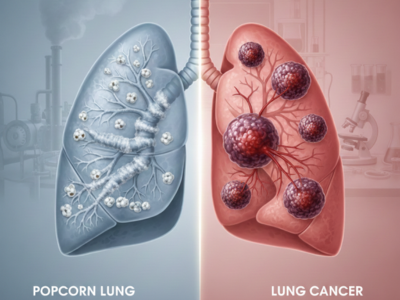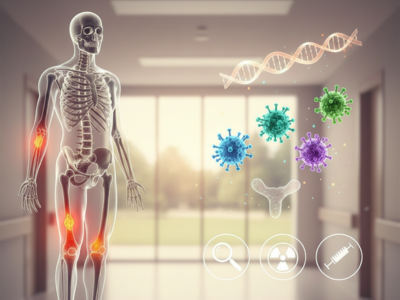
Bone cancer is a rare disease that develops when abnormal cells grow uncontrollably within a bone, forming a malignant tumor. This type of cancer originates in bone tissue itself rather than spreading from another part of the body. For example, cancer that starts in the lungs and spreads to the bones is still lung cancer. Therefore, understanding the unique characteristics of bone cancer is essential for proper diagnosis, timely treatment, and better long-term outcomes.
What Is Bone Cancer?
Bone cancer occurs when DNA mutations disrupt normal bone cell growth, causing rapid and uncontrolled division. These abnormal cells form tumors that weaken bones and interfere with normal skeletal functions. Several types of cancer exist, including osteosarcoma, chondrosarcoma, and Ewing sarcoma, each arising in different cells and affecting people of varying ages. Osteosarcoma often develops in teenagers, whereas chondrosarcoma appears more frequently in adults. Understanding these distinctions helps doctors choose the most effective treatment approach.
Common Symptoms of Bone Cancer
Recognizing early signs of bone cancer improves the chances of successful treatment. Persistent bone pain is usually the first symptom. Pain may begin mildly and worsen during activity or at night, resisting typical pain remedies. Additionally, swelling or tenderness near the affected area often accompanies pain. A noticeable lump may form, sometimes feeling firm, warm, or slightly tender. These symptoms may interfere with normal movement, especially if the tumor is near a joint.
Another critical symptom of cancer is a weakened bone, which may fracture unexpectedly with minimal trauma. Such fractures require immediate evaluation, as they can indicate an underlying malignancy. Furthermore, systemic signs like extreme fatigue and unexplained weight loss can accompany localized symptoms. Although these general symptoms might seem minor, when paired with persistent bone issues, they warrant professional medical attention.
Causes and Risk Factors
The exact cause of bone cancer is usually unknown, but genetic mutations in bone cells play a central role. DNA errors disrupt instructions for normal cell growth and division, allowing abnormal cells to multiply. While most cases have no clear cause, certain inherited conditions, such as Li-Fraumeni syndrome, increase susceptibility. Additionally, bone diseases like Paget’s disease may raise the risk. Exposure to high doses of radiation during previous treatments may also contribute to developing bone cancer later in life. Nevertheless, it remains rare even in high-risk individuals.
Types of Bone Cancer
- Osteosarcoma: This is the most common type, typically found in long bones like the legs and arms. Teenagers and young adults are most affected.
- Chondrosarcoma: Originates in cartilage cells and usually affects adults over 40, often appearing in larger bones like the pelvis or shoulder.
- Ewing Sarcoma: Develops in bones or surrounding soft tissue, primarily affecting children and young adults. Early detection is crucial for improving outcomes.
Each type behaves differently, which influences the choice of treatment. Doctors carefully assess the type, location, and stage to determine the most effective therapy.
Diagnosing Bone Cancer
Doctors begin diagnosis with a thorough physical exam, including careful evaluation of pain, swelling, and tenderness. Imaging tests, such as X-rays, MRI, or CT scans, help detect abnormalities in the bone structure. A biopsy, which involves removing a small sample of the tumor, confirms whether cancer cells are present. Proper diagnosis is essential because bone cancer symptoms often resemble those of less serious conditions like arthritis or sports injuries. Therefore, early consultation and accurate testing significantly improve treatment success.
Treatment Options for Bone Cancer
Treatment depends on cancer type, the bone affected, and tumor size. Surgery is commonly used to remove the tumor and affected bone tissue. In some cases, surgeons may reconstruct the bone or replace it with a prosthesis. Chemotherapy is often applied for osteosarcoma and Ewing sarcoma to kill cancer cells before or after surgery. Radiation therapy may also be recommended, particularly for tumors that are difficult to remove surgically. Combining these treatments can increase effectiveness, reduce recurrence risk, and improve overall survival rates.
Importance of Early Detection
Early detection of bone cancer is critical because it directly impacts treatment outcomes. Patients who notice persistent pain, lumps, or unusual fractures should consult healthcare professionals immediately. Monitoring symptoms carefully allows doctors to intervene before cancer spreads, which significantly improves prognosis. Regular check-ups, awareness of personal risk factors, and understanding family medical history all contribute to the timely identification and management of cancer.
Living with Bone Cancer
Facing a bone cancer diagnosis can be challenging, but support systems and medical advancements offer hope. Patients benefit from specialized care teams, including oncologists, surgeons, and rehabilitation specialists. Rehabilitation focuses on restoring mobility and strength after surgery or treatment. Emotional support through counseling or patient groups also plays an important role in coping with the disease. By combining medical treatment with physical and emotional care, patients can maintain a meaningful quality of life during and after therapy.
Conclusion
Bone cancer is a rare but serious disease that requires attention to symptoms and early medical consultation. Persistent bone pain, swelling, fractures, fatigue, and weight loss should never be ignored. Although causes often remain unknown, early diagnosis, proper treatment, and supportive care significantly improve outcomes. By understanding the types, symptoms, and treatment options for cancer, patients and families can make informed decisions and take proactive steps toward recovery and improved quality of life.
About the Author