Australia’s Minors' Social Media Regulation Shuts Kids Out of Apps
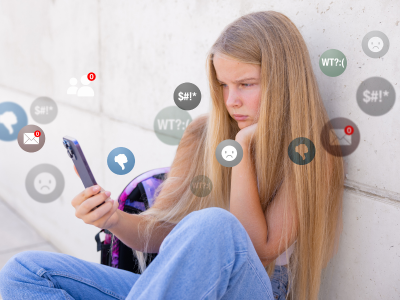
Australia has implemented a historic law that prevents children under 16 from accessing major social media platforms. Officials claim, the minors’ social media regulation measure is essential for protecting young users from cyberbullying, inappropriate content, and mental health risks. As a result, apps like TikTok, Instagram, and Snapchat now require parental consent before children can sign up.
The legislation represents a world-first in minors’ social media regulation. Authorities argue it provides a model for other countries struggling to keep children safe online. The law requires platforms to verify users’ ages before allowing them to create accounts. Companies that fail to comply face fines, legal consequences, or potential bans. Tech firms have warned that verification could be technically challenging. Nevertheless, the government emphasizes that child safety must outweigh convenience or technical difficulties.
Parents have largely supported the minors’ social media regulation. Many say it allows them to monitor children’s online activity more effectively. “This gives families peace of mind,” said one parent in Sydney. Experts agree that parental supervision combined with stricter regulations can prevent early exposure to harmful content. However, some children have expressed frustration, reporting feelings of isolation from friends who still access social media. Teachers also note temporary disruptions in communication and group work among students. Experts stress that these short-term challenges are necessary for long-term protection.
Social media companies now face heightened scrutiny. TikTok, Instagram, and Snapchat have announced updated age verification processes to comply with the law. Cybersecurity experts warn that children may attempt to bypass restrictions using fake information. “Kids are incredibly tech-savvy,” said a digital security analyst. “While the law is well-intentioned, enforcement remains a major challenge.” Meanwhile, regulators insist that collaboration with tech companies is critical for effective minors’ social media regulation.
The legislation also raises questions about privacy and data protection. Companies must store age-related data securely and prevent misuse. Legal experts suggest that Australia’s approach could influence international policy. “This sets a global benchmark,” said a digital policy analyst. “It could shape minors’ social media regulation worldwide.” Additionally, government campaigns aim to educate parents and children on responsible online behavior, digital consent, and safe social media practices.
Psychologists point out both benefits and drawbacks. Reduced social media use can improve sleep, focus, and mental well-being. On the other hand, sudden restrictions may cause anxiety or social exclusion. Schools are encouraged to support students during this adjustment. Over time, minors’ social media regulation could cultivate healthier digital habits, teaching children to use technology responsibly and safely.
Internationally, Australia’s decision stands out. Countries such as the United States and the United Kingdom are observing closely as they consider stricter online safety policies for children. Child welfare advocates praise the move, emphasizing that protecting minors must take priority over business concerns. Some tech firms remain skeptical about compliance and technical challenges. Global organizations monitoring child safety are closely following Australia’s implementation and public response.
Authorities plan a continuous assessment of the law’s effectiveness. Feedback from parents, educators, and children will guide future amendments. Technology companies are expected to develop solutions that balance safety with accessibility. Ultimately, Australia’s world-first minors’ social media regulation demonstrates a strong commitment to child protection. Although challenges remain, the law could redefine how societies manage online safety for young users. The next few months will reveal how children, families, and schools adapt to these unprecedented restrictions.
About the Author