Hair has always been more than a biological necessity; it is a canvas of self-expression. From subtle shades to bold hues, the color you choose can reveal surprising insights about your personality and mood. Hence, the hair color psychology. Welcome to a playful exploration where we decode what your hair might say if it could actually talk.
In this blog, we will dive into hair color psychology, examine popular shades, and explore how your choices reflect your inner self.
The Science Behind Hair Color Psychology
Before we decode the rainbow of hair, it’s essential to understand hair color psychology. Psychologists and beauty experts agree that hair color affects both perception and behavior. People subconsciously form judgments based on hair, associating different shades with distinct traits.
For instance, someone with platinum blonde hair may be perceived as adventurous or approachable. Conversely, deep brunette tones can suggest sophistication or reliability. Even temporary, vibrant dyes like pink or blue influence how others interpret your mood.
Moreover, hair color psychology doesn’t just shape social perception. Many choose shades based on personal moods or desires. A fiery red might signal confidence or rebellion, while a soft pastel reflects playfulness or introspection.
Blonde Ambitions: Light Hair, Bright Personality
Blonde hair often symbolizes youth, energy, and optimism. People with blonde shades are frequently viewed as fun-loving and approachable. They may also be perceived as spontaneous and open to new experiences.
Interestingly, hair color psychology suggests that choosing blonde can reflect a desire to attract positivity. Many individuals pick lighter shades when they feel adventurous or seek a fresh start.
Transitionally, blonde hair is versatile. It pairs well with bold highlights or soft balayage, allowing individuals to signal mood shifts subtly. Whether platinum or honey-toned, blonde continues to captivate attention.
Brunette Brilliance: Depth and Sophistication
Brunettes often exude stability, reliability, and maturity. Dark hair shades can indicate confidence and intelligence, signaling a grounded personality. In terms of mood, many choose brunette shades when seeking balance or a professional edge.
Moreover, hair color psychology highlights that darker tones can create a sense of mystery. They suggest introspection, subtlety, and elegance. People may gravitate toward brown hues during transitional phases in life or when seeking calm and focus.
Red-Hot Rebels: Fiery Hues and Bold Statements
Red hair is synonymous with energy, confidence, and passion. From deep auburn to bright copper, red shades tend to command attention. People often associate red hair with assertiveness and a strong personality.
In the realm of hair color psychology, choosing red can indicate emotional intensity or a desire to stand out. Many individuals pick red when feeling courageous or ready to embrace change. The color naturally draws focus, enhancing both personality and mood projection.
Pastels and Unconventional Hues: Creative Freedom
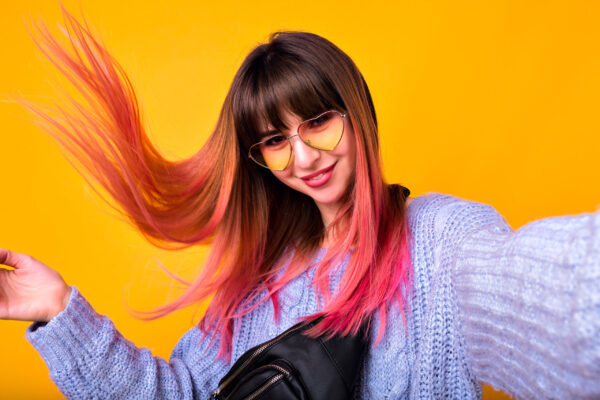
Pastels, blues, greens, and purples are more than fashion statements; they express creativity and individuality. People who choose these shades often enjoy defying convention and exploring their inner artistic side.
According to hair color psychology, unconventional colors reveal a playful, experimental personality. They can signal curiosity, optimism, and a willingness to take risks. Pastels, in particular, reflect a softer mood, suggesting introspection, fun, or whimsy.
Additionally, vibrant colors allow temporary expression. A mood shift can be immediately reflected without long-term commitment. For example, a sunny yellow streak may indicate a joyful phase, while deep violet conveys mystery or reflection.
Temporary Changes, Permanent Insights
Not all hair color choices are permanent, yet they still speak volumes. Temporary dyes provide a unique lens into mood and self-expression. People often experiment with bright or unusual colors during emotional transitions.
Hair color psychology emphasizes that even short-term changes can boost confidence and creativity. Trying a bold hue may help individuals explore aspects of their personality otherwise hidden. This is why salons often encourage experimentation; it’s more than aesthetics; it’s emotional exploration.
Hair Color and Cultural Context
Cultural trends heavily influence hair color choices. For example, platinum blonde dominated early 2000s pop culture, reflecting bold self-expression. Meanwhile, deep browns and natural tones often signify timeless elegance in professional spaces.
Moreover, social media now amplifies trends, encouraging rapid shifts in personal style. Platforms showcasing vibrant and experimental colors allow people to explore moods visually, connecting hair color psychology with cultural influences.
The Role of Hair Color in Emotional Expression
Hair color serves as a non-verbal language of emotion. People intuitively select shades that resonate with current moods. For instance:
- Blonde: Optimistic, social, adventurous
- Brunette: Grounded, mature, introspective
- Red: Passionate, bold, confident
- Pastels/Neon: Playful, creative, experimental
These choices reflect internal states as well as social aspirations. Hair color is both a personal canvas and a public statement.
Practical Tips for Choosing Hair Color Based on Mood
Understanding hair color psychology can guide your next dye decision. Here are a few tips:
- Match mood with color intensity: Bold colors indicate high energy or confidence, while soft tones signal calm or introspection.
- Consider lifestyle: Vibrant colors may suit creative or flexible roles, while natural shades may complement professional settings.
- Experiment temporarily: Use semi-permanent dyes or highlights to test colors before committing fully.
- Reflect your personality: Hair is an extension of identity. Let choices represent who you are, not just trends.
Conclusion: Let Your Hair Speak
Hair is more than a beauty accessory. It is a reflection of personality, mood, and cultural trends. Whether you choose blonde, brunette, red, or a playful pastel, your hair tells a story. Through hair color psychology, we learn that choices go beyond aesthetics. They reveal confidence, creativity, mood, and even life transitions. Next time you consider a new shade, think of it as a conversation; your hair might have something witty to say.
Hair, in essence, becomes a living canvas. With each dye, streak, or highlight, you express who you are and how you feel. Let your hair talk, and the world will listen.
About the Author