Gummy Trends: Why Your Candy Needs Edible Aesthetic for TikTok
The candy aisle used to be simple. We purchased a sugary confection purely for the taste. Now, however, every gummy must earn its place on the digital stage. It must be Instagrammable. It must be shareable. Therefore, the candy industry has completed a dramatic pivot. Product design no longer starts in the kitchen; it begins in the feed. This shift proves that the ultimate goal is not just flavor. The modern gummy is a free marketing tool. It transforms the buyer into an unpaid brand ambassador. This is the new reality of the confectionery market. It is all driven by the powerful pull of the edible aesthetic.
The Screen-First Design Imperative
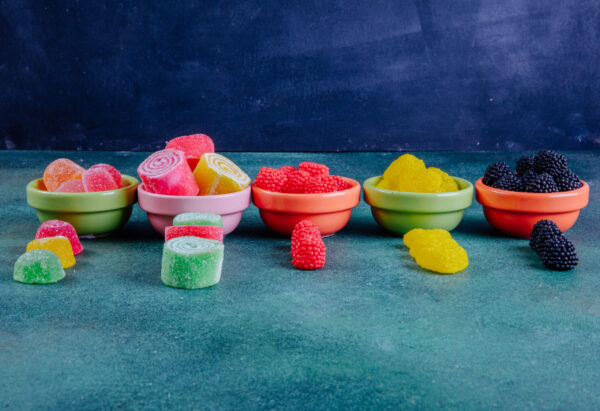
Social media dictates modern design choices. Candy shapes and colors must translate well to a small screen. They need to stand out against a chaotic digital backdrop. Consequently, brands abandon subtle hues and traditional forms. They embrace bold, vibrant colors instead. Think electric blues, neon pinks, and hyper-saturated yellows. These edible aesthetic colors pop under camera flash and low lighting. Manufacturers use highly polished finishes to capture light. This glossy sheen makes the gummies appear more appealing. It also suggests a premium, untouched quality. This is visual communication, not mere decoration.
Shape as a Storytelling Device
The classic gummy bear still exists, but innovation reigns. Brands now use unique, intricate molds. Consider celestial bodies like moons and stars. They offer a dreamy, elegant vibe. They are far removed from simple childhood treats. Other companies produce detailed botanical shapes, for example. These mimic cannabis leaves or medicinal mushrooms. They immediately signal a functional product. The shape thus conveys a specific purpose. It quickly tells a story. This immediate, visual signaling is crucial for TikTok. Short videos thrive on instant recognition. A bizarre or beautiful shape demands a pause. That pause is the most valuable commodity in digital marketing.
The Mechanism of ‘Shareability’
Shareability is the holy grail of this new model. It is more than just a buzzword. It represents an essential, cost-effective marketing strategy. Brands actively design their gummies for user-generated content (UGC).
The Power of User-Generated Content
UGC is the ultimate form of social proof. A customer post feels authentic and trustworthy. It is better than any paid advertisement. Therefore, companies engineer their products to inspire posts. They leverage two main psychological triggers.
First, they use novelty. A new, unusual product encourages sharing. People want to be the first to show off a discovery. This drives initial buzz and viral loops. Brands quickly launch limited-edition flavors and shapes. This creates artificial scarcity and FOMO (Fear of Missing Out).
Second, they capitalize on arrangement. Gummies look fantastic when piled up. Their smooth surfaces and bright colors create textural contrast. Users take highly stylized, close-up, macro photos. These photos easily accumulate high engagement metrics.
Beyond Taste: The Color and Texture Economy
The confectionery sector has indeed embraced the digital color economy and the edible aesthetic. Consequently, designers move beyond using only natural fruit colors. Instead, they actively select hues based on current social media trends. For example, think of the rise of matte pastels or hyper-fluorescent tones. Crucially, these choices often have little to do with actual flavor. Rather, they strategically maximize visual impact on the phone screen.
Texture and the ASMR Factor
Furthermore, TikTok introduced the Audio Sensory Meridian Response (ASMR) factor. Consequently, the sound of food consumption quickly became content itself. Therefore, a gummy’s texture is now a crucial audio element. Specifically, brands create chews that feature satisfying sounds. A slightly firmer exterior, for instance, yields a satisfying “pop” when bitten. Thus, this actively creates an auditory component to the edible aesthetic. In fact, viral videos often focus solely on the sound of the candy. Ultimately, this turns the simple act of eating into performance art. Moreover, it gives the product an entirely new dimension.
Functional Gummies: A Case Study in Visual Deception
Notably, the functional gummy market exemplifies this edible aesthetic trend perfectly. This segment, of course, includes supplements, CBD, and sleep aids. Crucially, these products target adult consumers. Consequently, the candy shape and color are used strategically here. Specifically, they mask the underlying medicinal or wellness function. In short, they make a mundane health routine feel like an enjoyable treat.
Furthermore, companies use sophisticated packaging to elevate the product’s image. For instance, the container often looks like luxury skincare. Meanwhile, the gummies inside are shaped like elegant pearls or sparkling gems. Therefore, this strong visual appeal helps justify the premium price point. Moreover, it successfully normalizes the consumption of supplements. Essentially, it shifts the perception from “medication” to “self-care indulgence.” Ultimately, consumers buy the lifestyle, not just the vitamin itself.
Navigating the Future of Sweetness
The confectionery industry faces a complex challenge. Brands must balance health concerns with visual appeal. Consumers demand less sugar yet crave vibrant sweets. The edible aesthetic forces brands to innovate constantly. They must find new ways to use natural colorings. They need to create stable, complex shapes for mass production. Ultimately, the future of the market is visually determined. Any successful new gummy must first conquer the phone screen. Only then can it earn a place in the shopping cart.
About the Author