Wind Energy
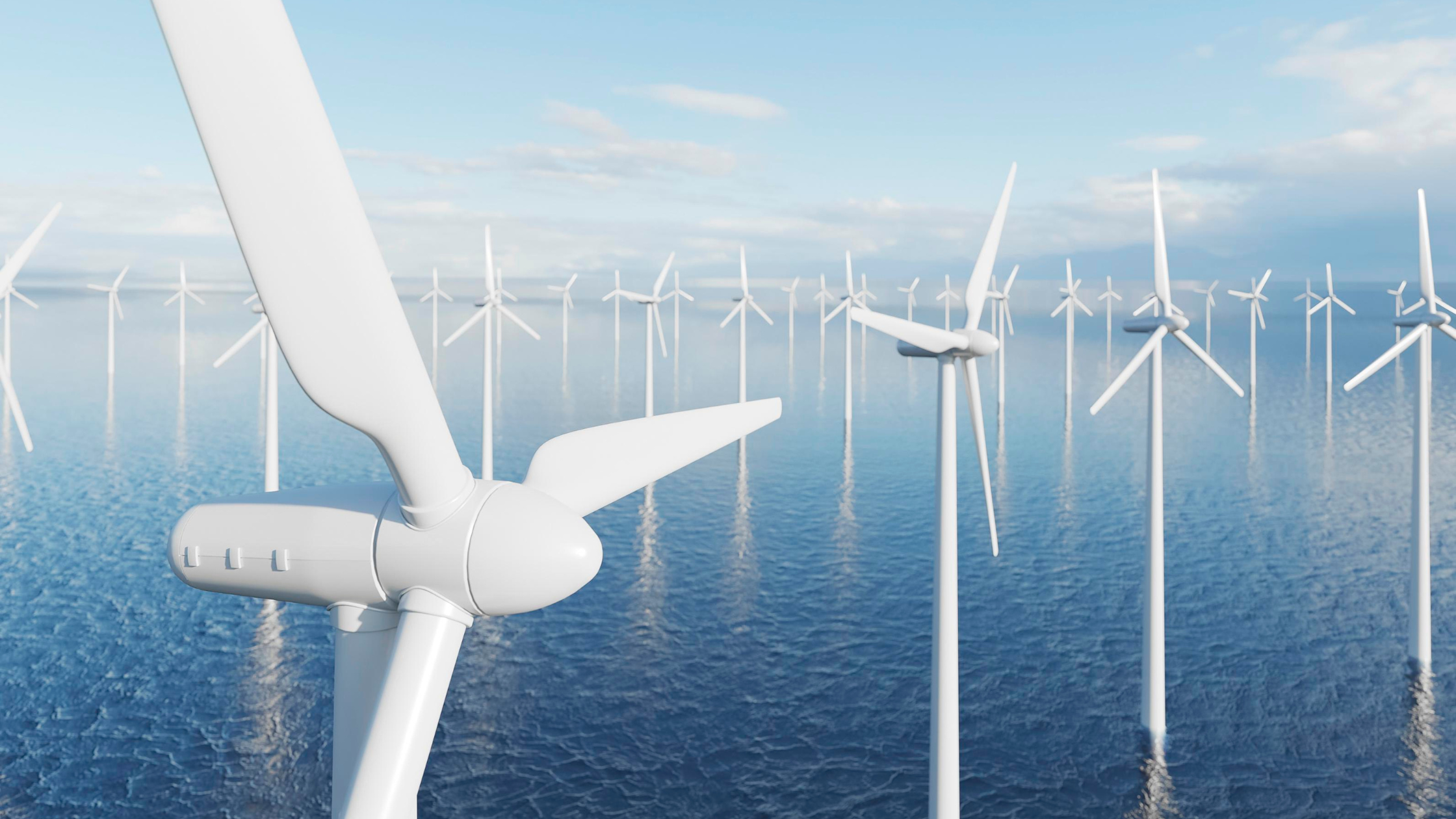
Offshore wind power is at a real turning point. With 83 GW installed by 2024, powering over 73 million homes, the momentum is undeniable. Sure, the journey hasn’t been without bumps, policy hiccups and global challenges have slowed things down. But the vision of clean, reliable energy is more alive than ever. The big question now: Will 2025 be the year offshore wind power jumps from regional promise to a global game-changer?
The Global Wind Energy Council’s latest report shows 8 GW of new offshore wind capacity added in 2024, enough for 73 million homes. While that’s about 26% less than 2023, it still marks the fourth biggest annual increase ever. Even more exciting? Governments approved a record 56 GW of new projects, and 48 GW is already under construction. Despite recent slowdowns, offshore wind power is clearly gearing up for a strong future.
The Challenges Holding Offshore Wind Power Back
Even with all the good news, the offshore wind industry is facing some pretty rough patches. Things like supply chain hiccups, shaky policies, especially in the U.S., and auctions that didn’t go as planned in places like the UK and Denmark have made GWEC a bit cautious. So, their forecast for 2025 is actually 24% lower than what they expected before.
What’s become crystal clear is that the offshore wind world really needs some serious changes in policies and rules. GWEC is calling for a fresh look at how auctions are run, making sure they focus on actually getting projects done and sharing the risks fairly between governments and developers. If we don’t fix this, offshore wind energy might never reach its full potential.
Why Offshore Wind Power Still Holds Strong Promise
Even with all these bumps in the road, the basics of offshore wind power are rock solid. Everyone knows it’s a key player in the global shift to cleaner energy. From Brazil to Australia, countries are betting big on offshore wind to boost their economies, keep energy steady, and cut down on pollution.
GWEC says we’re about to see some serious growth in offshore wind power. Right now, we added 8 GW in 2024, but by 2030, that number could jump to 34 GW every year. That means the industry is expected to grow really fast, about 28% each year until 2029, then slow a bit to 15% through 2034. If all goes as planned, offshore wind power will be adding around 30 GW annually by 2030 and a whopping 55 GW by 2034. At that point, it could make up about a quarter of all new wind power being installed around the world.
Offshore Wind Power Expands into New Regions
Europe and China are still the big players when it comes to offshore wind power, but their grip is slowly loosening. Right now, they make up about 94% of all installations, but by 2034, that’s expected to drop to around 84%. Why? Because new regions are stepping up to the game. Places like Japan, South Korea, the Philippines, Vietnam, Australia, Brazil, and Colombia are all putting policies and rules in place to help ofshore wind power take off in their waters.
This growth shows that the world is really starting to believe in offshore wind energy. It’s more than just building turbines; it’s about a bigger shift. New countries are jumping straight into the clean energy future, using off shore wind as a key piece to power that change.
Floating Wind: The Next Frontier?
Another cool thing from the 2024 report is how floating offshore wind is starting to take off. By the end of the year, the world had 278 MW of floating wind capacity up and running. Norway is leading the pack with 101 MW, with the UK, China, France, Portugal, Japan, and Spain not far behind. As the tech gets better, floating wind farms could open up new spots, way out in deeper waters, places we couldn’t reach before.
The Call to Action: Make 2025 Count
With record-breaking auctions and tons of projects already underway, 2025 could be the year off-shore wind power really takes off. But to get there, everyone needs to pull together, governments and industry leaders alike, to create steady policies, make investments less risky, and keep projects on track.
Rebecca Williams, Deputy CEO of GWEC, put it simply: “Now’s the time for industry and governments to team up, get serious, and push off-shore wind power into its next big phase.”
In short, the path is clear, but not without its hurdles. If we can fix those tricky regulations and make auctions smarter, 2025 could be the year off-shore wind power goes from a local hero to a global game-changer.
Conclusion
Offshore wind power is right at the edge of something huge. With 83 GW already lighting up millions of homes and record-breaking projects in the works, the stage is set. Now, it’s really up to governments and industry leaders to step up and make 2025 the year offshore wind doesn’t just talk big, but actually delivers worldwide.
References
About the Author