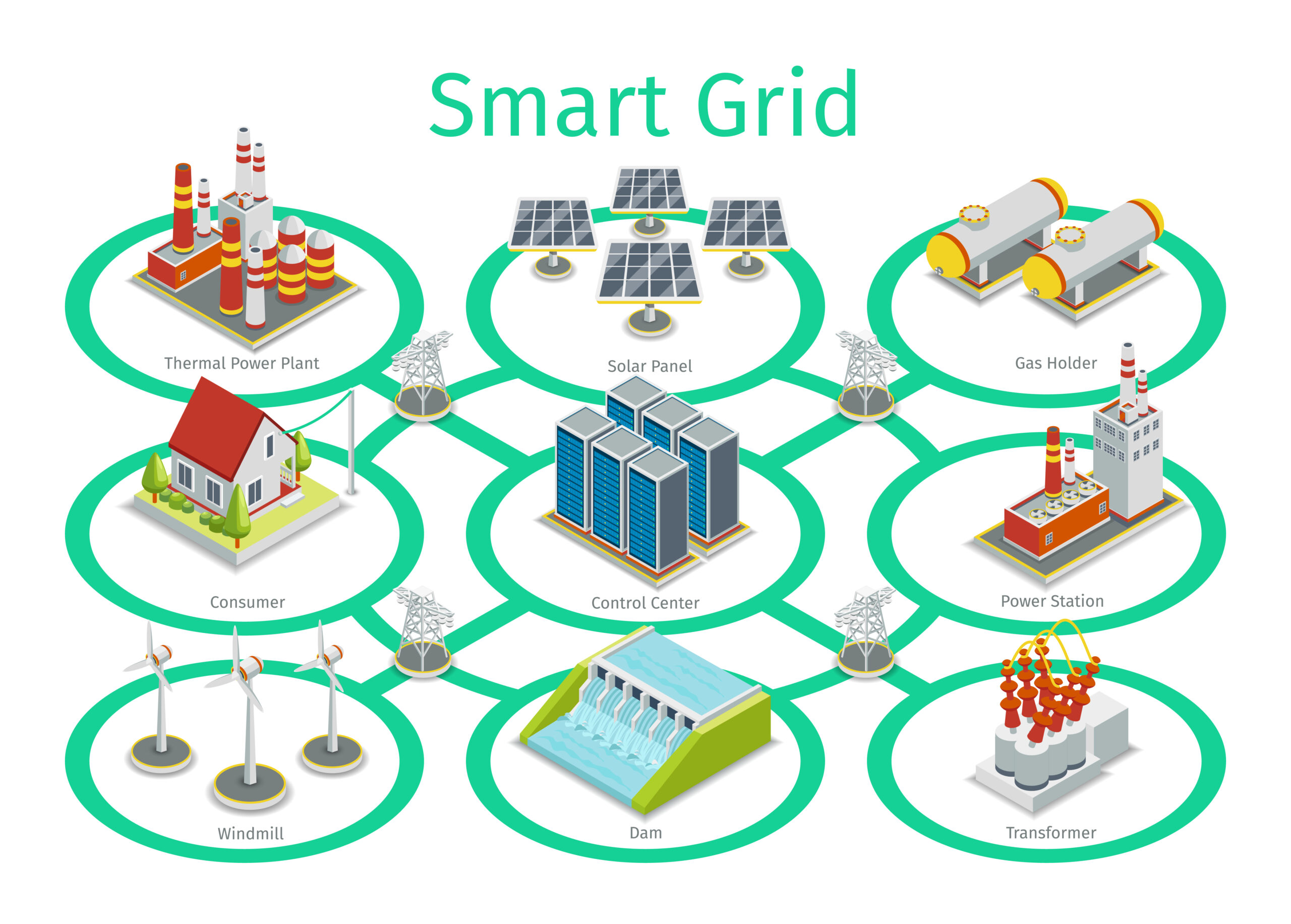
New US-developed Smart Grid technology offers a crucial new advantage to Europe. This system promises to boost the continent’s overall energy efficiency significantly. Consequently, European leaders view this as a major strategic tool. They address pressing supply concerns, which often fluctuate greatly. The system fundamentally changes how electricity moves across aging networks. It transforms the power sector through extensive digitalization. This massive technological leap comes at a critical time. Europe faces a monumental task in modernizing its infrastructure. This challenge exists while it simultaneously accelerates its clean energy transition. The deployment of this advanced technology offers genuine energy security.
Specifically, the core innovation comes from sophisticated US software and hardware firms. These companies focus on utilizing artificial intelligence (AI) capAabilities. They apply this intelligence to forecast energy demands more accurately than before. Furthermore, the technology uses an advanced Internet of Things (IoT) sensor network throughout. Therefore, grid operators gain real-time knowledge of system health quickly. This unprecedented visibility is truly essential for optimizing asset use.
It allows networks to operate closer to their true capacity limits safely. For example, AI algorithms anticipate when medium-voltage cables require replacement or repair. This predictive maintenance significantly reduces grid outages. Moreover, this system ensures power flows dynamically. The Smart Grid thus enables two-way energy exchange. This capability is necessary for integrating decentralized sources, such as rooftop solar and local battery storage systems.
Furthermore, Europe urgently requires this vital modernization. Much of the continent’s existing electricity grids are now over forty years old. Consequently, the European Commission developed a comprehensive action plan for grids. This initiative aims to attract nearly EUR 600 billion in investments over the next decade. A significant portion of this massive investment will fund necessary digital infrastructure improvements. This involves deploying modern smart meters and thoroughly automating substation controls. Therefore, American firms become indispensable partners in this huge undertaking. They provide the advanced automation and analytics platforms required for efficient system management. The digital transformation leads directly to a much better quality of supply.
Furthermore, remote management enables the rapid resolution of supply point and service issues in the Smart Grid. Overall, the new Smart Grid technology minimizes operational costs for utilities. Ultimately, consumers benefit from lower overall energy expenses.
The United Kingdom also sees great promise in this new Smart Grid infrastructure development. Grid modernization is particularly urgent for the UK system at present. Currently, the UK has pushed a massive rollout of smart meters across the country. These digital devices provide consumers with clear, accurate, and real-time data on their energy consumption. In turn, customers can manage their usage more effectively and efficiently. Also, this financial visibility drives crucial behavioral change among users.
Specifically, the improved demand management substantially reduces peak demand periods. This efficiency means operators do not need to rely on costly standby power plants for spikes. Therefore, the adoption of US-developed digital tools significantly strengthens UK energy resilience. Moreover, this technology helps integrate the UK’s massive offshore wind capacity into the system. This is necessary because wind power is inherently intermittent by nature. The Smart Grid handles these supply fluctuations seamlessly and effectively.
However, the wider European energy landscape remains profoundly shaped by geopolitical factors. The push for greater efficiency directly addresses supply security challenges. Historically, many European nations heavily relied on Russian fossil fuel imports for stability. These imports previously accounted for a large share of gas consumption yearly. Consequently, energy became a volatile economic and political commodity easily. Now, the accelerating shift to renewables is completely changing the market dynamics.
Furthermore, the enhanced system capacity means less energy is wasted. Therefore, Europe reduces its overall demand for imported natural gas and oil supplies. This reduction decreases the financial and political leverage of external suppliers, such as Russia. The deployment of the Smart Grid represents a pivotal strategic shift. It strongly supports greater energy independence across the entire continent’s infrastructure.
Thus, the move signifies more than a mere technological upgrade for the power sector. It establishes a resilient, decentralized, and flexible energy system for the future. The US innovation serves as the key foundation for this large European energy transition. Therefore, the successful integration of the Smart Grid is vital for stability. It keeps energy prices affordable for European households. Also, it ensures the economic competitiveness of the entire region.
Furthermore, this collaborative US-European effort sets a new global standard. This standard prioritizes efficiency, security, and sustainability for all future power grids globally. The combined effort strengthens both economic and essential energy ties across the Atlantic nations.
About the Author