A new study highlights a dangerous trend: Infections from drug-resistant organisms are rising. This report comes from the CDC and details a worrying increase in “nightmare bacteria.” The findings pose a grave danger to public health, and health officials express serious concern. This is a very serious situation. People must understand the full threat. Therefore, researchers urge immediate action.
The report, in fact, shows a staggering 69% increase. This surge happened between 2019 and 2023. Cases of drug-resistant bacteria have become more common. The rate rose from under 2 per 100,000 people to more than 3 per 100,000. Specific types of “nightmare bacteria” also present an even greater threat. These pathogens carry the NDM gene. Therefore, they resist last-resort antibiotics.
Furthermore, infections with the NDM gene show a dramatic rise. Their rate increased more than fivefold, jumping from about 0.25 to 1.35 per 100,000. This dramatic spike drives the overall trend. Consequently, doctors have few treatment options for nightmare bacteria. Only two intravenous antibiotics work against these strains.
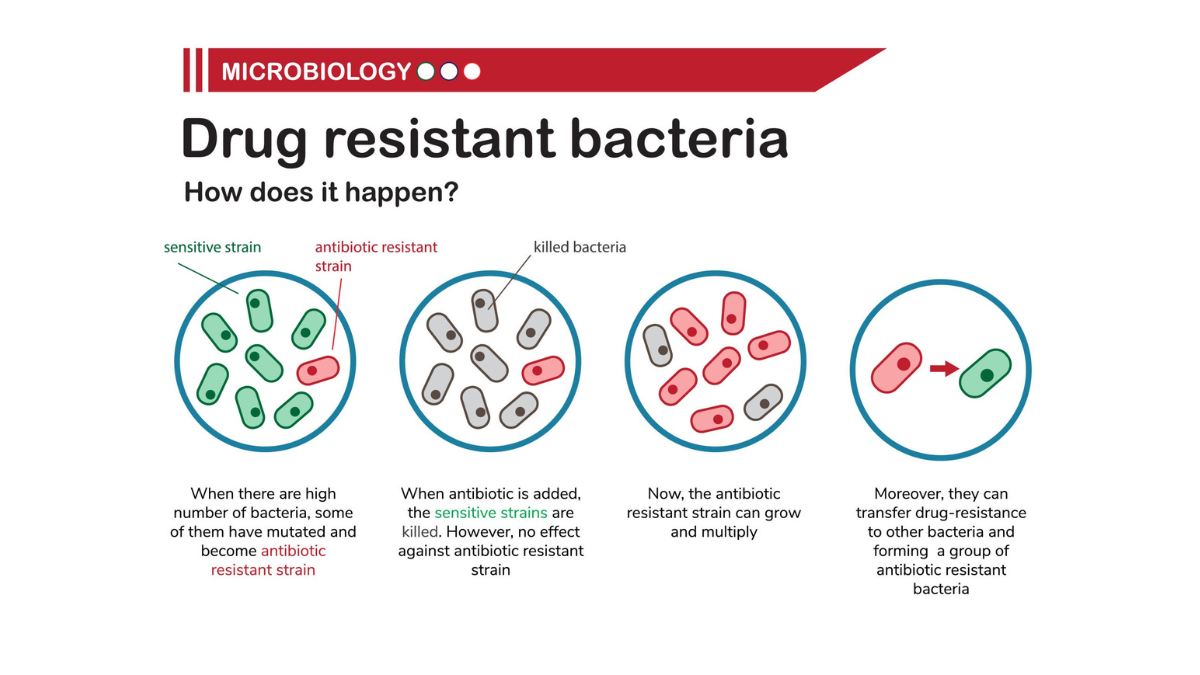
What’s more, these drugs are quite expensive. They are also difficult when it comes to administering. Therefore, treatments turn out to be a major challenge. Experts believe many factors contribute to this rise. First, the misuse of antibiotics is a primary cause. People often do not finish their prescriptions. This action allows stronger germs to survive. Also, doctors sometimes prescribe antibiotics unnecessarily. For instance, they use them for viral infections. These practices make bacteria stronger. Moreover, the COVID-19 pandemic accelerated the problem. There was a huge surge in antibiotic use then. That use likely fueled drug resistance.
Moreover, the problem extends beyond hospitals. Dr. Maroya Walters, a report author, explains the risk. Community infections could become harder to treat. Urinary tract infections, for example, could become very dangerous. David Weiss calls the rise a grave danger. His research at Emory University supports this view. The Centers for Disease Control and Prevention calls for more testing. Many hospitals lack the capacity to test for genetic resistance. They also need better infection prevention.
What is “nightmare bacteria” exactly? The CDC uses the term. It describes pathogens that resist many antibiotics, including carbapenems, a class of last-resort antibiotics. NDM-carrying bacteria produce an enzyme that breaks down carbapenems. Subsequently, the antibiotics become ineffective. Thus, these bacteria present a significant problem. They are a worldwide health security threat. They can spread through food, animals, and people.
This is a serious public health concern. Therefore, the report urges new policies. It also asks for new research. Public health officials must strengthen surveillance. Genomic sequencing is crucial. Moreover, they must invest in new antibiotics. New diagnostic tools are also required. This is an urgent situation. We must act now to contain the spread. Without a doubt, the problem is widespread. Data from 29 states support the findings. However, some large states did not submit data. These include California and Texas. Also, New York and Florida did not submit full data. This means the true number of infections when it comes to nightmare bacteria is certainly underestimated.
The rise of “nightmare bacteria” signals a serious problem. It could roll back decades of medical progress. Routine infections could become deadly once again. Patients in healthcare settings face the greatest risk. Therefore, everyone must take this threat seriously. This is a battle we must win.
Furthermore, simple steps can make a difference. People should always wash their hands. Vaccines prevent many infections. We must also take antibiotics only when needed and take the full course. This cooperation is vital. By working together, we can slow the spread. Our future health depends on it. We must not allow “nightmare bacteria” to win.
About the Author