SCADA System Upgrades in 2025
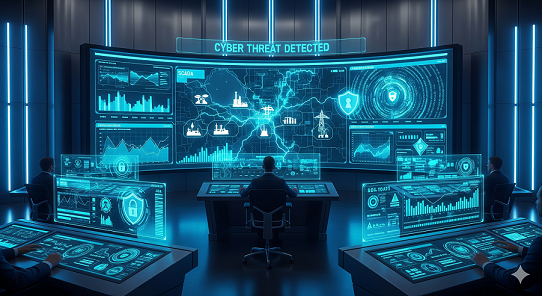
A silent battle is unfolding around us. It’s a conflict fought not with bombs but with bits of code. The targets are the systems that run our world. They are the digital brains of our critical infrastructure. We are talking about SCADA systems. These systems control our power grids. They manage our water treatment facilities. They operate our transportation networks. In 2025, the U.S. government has intensified its efforts. They want to modernize these vital systems. The goal is simple: to mitigate rising cybersecurity risks and improve operational efficiency. This is a story about a crucial race. It is a race to secure our nation’s most important assets. The stakes could not be higher.
The Unseen Threat
A recent warning shook the industry. The Cybersecurity and Infrastructure Security Agency (CISA) issued a major alert. It happened just in May 2025. Unskilled cyber attackers are targeting industrial systems. These are not highly trained criminals. They are using basic methods. In fact, they exploit poor cyber hygiene. They look for exposed and unprotected systems. This type of attack is surprisingly effective. It can lead to severe operational disruptions. It could even cause physical damage to facilities. CISA’s warning is a wake-up call. It urges everyone to review mitigation strategies immediately.
Furthermore, a more sophisticated threat exists. The National Security Agency (NSA) released a joint advisory. They partnered with the Department of Energy (DOE) and the FBI. The advisory highlighted a dangerous trend. Advanced Persistent Threat (APT) actors are using custom tools. They are specifically designed to infiltrate SCADA systems. Once inside, these attackers can take over. They can gain full access to the system. This allows them to disrupt critical functions. It’s like a thief getting the master key to your house. These actors can maintain a long-term presence. They can cause widespread chaos. Consequently, securing these systems has become a top priority.
Upgrading the Nation’s Lifelines
Action is being taken all over the country. Take California, for instance. The Western Municipal Water District is leading the way. They are executing Phase 2 of a massive project. It’s part of their SCADA Master Plan. The project is federally funded. They are installing new control systems. These systems will be at three pump stations. This will enhance security and reliability. It also improves leak detection. These systems provide real-time data. They enable remote operations for the first time. The project will certainly boost water efficiency. It will also ensure a stable water supply. The future of our water infrastructure looks brighter.
The work does not stop there. Another WaterSMART-funded initiative is underway. It is happening at the Fresno Irrigation District. They are upgrading their SCADA system. The goal is to improve water delivery operations. These enhancements will help local growers. They can better adapt to changing water demands. They will also maintain surface water deliveries. This supports a vital agricultural economy. It shows how technology directly impacts everyday life. These local projects are building a more resilient nation. They are a sign of real progress.
The Power of Policy and Funding
Federal policy is a critical driver. The Department of Defense (DoD) is making big changes. Its Volume 2B, Chapter 18 outlines new rules. These rules are for cyberspace activities. There are new reporting requirements for Security Operations Centers (SOCs). Cloud environment investments are also a focus. These updates are a direct response to evolving threats. They are aimed at securing all industrial control systems. They ensure the DoD is ready for a cyber war. This is a move toward proactive defense.
Funding is also pouring into these efforts. The WaterSMART and EQIP programs are leading the charge. They are providing the financial muscle. This money supports SCADA modernization. It’s helping to update water infrastructure everywhere. These programs prioritize small-scale projects. They help integrate SCADA technologies. The result is better resource management. This funding creates a ripple effect. It allows local agencies to innovate. It builds a more secure foundation from the ground up. Without this financial support, many projects would not be possible.
Pioneering New Defenses
Research labs are on the front lines. A fascinating development came from Oak Ridge National Laboratory. This is a Department of Energy (DOE) lab. Researchers have developed a groundbreaking technology. They call it a virtual twin. This innovation is a powerful defense for the energy grid. It creates a digital replica of a SCADA system. This twin can be attacked and tested. It simulates real-time operations. This allows researchers to find anomalies. They can detect cyber threats before they harm the physical system. It is like having a digital ghost that protects the real system. The virtual twin technology is a true game-changer. It represents the future of cybersecurity.
Establishing the Ground Rules
A clear strategy is essential. Sandia National Laboratories published a framework. It was created under the DOE. The framework is for SCADA security policy. It stresses the need for SCADA-specific security administration. SCADA systems are unique. They require their own set of rules. This framework provides them. The document outlines essential best practices, including data security and physical security measures. Configuration management is also detailed to ensure system integrity and control. Audit protocols are included, too. This document is a blueprint for safety. It ensures a consistent, secure approach. It helps to standardize procedures across the board. This framework is a vital guide. It helps organizations protect their assets.
Confronting Legacy Challenges
The path forward is not easy. CISA has highlighted major challenges. The biggest issue is legacy systems. Many SCADA environments are quite old. These are often called brownfield deployments. They were built with outdated protocols. These protocols lack basic encryption. They are therefore vulnerable to cyber threats. It’s like trying to protect a house with no doors. CISA provides tools and training. This helps stakeholders navigate these difficulties. They are working to bridge the gap. They are connecting old systems to new ones. This is a complex and painstaking process. It requires careful planning and execution. The challenge is immense. It must be addressed systematically.
The Watchful Eye of Government
Oversight is paramount. The U.S. Department of the Interior has restated its commitment. It is focused on SCADA system security. They are emphasizing continuous monitoring. This is not a one-time fix. They are also promoting responsible operational practices. This applies across all their infrastructure. This commitment shows the seriousness of the issue. It reinforces that SCADA system security is not a project. It is an ongoing responsibility. Their oversight ensures accountability. It holds agencies to a higher standard. This helps build public trust. It also safeguards our infrastructure.
Looking Ahead
Our reliance on SCADA systems will only increase. The U.S. government will continue its investments. We can expect to see more cybersecurity enhancements. AI will become a key tool. It will power new monitoring tools. Cloud-based SCADA platforms will be adopted. These platforms offer greater flexibility. Public-private partnerships will also grow. They are crucial for building resilience. The convergence of these factors is powerful. Federal funding, policy reforms, and innovation are all working together. This positions SCADA systems as a cornerstone of our future. It is a future of national infrastructure modernization.
The Work Continues
Modernizing SCADA Systems is a transformative shift. It is driven by federal initiatives. It is propelled by cybersecurity imperatives. Infrastructure upgrades are happening everywhere. From water districts in California to energy labs, change is in motion. The U.S. government is actively shaping a more secure future. It is a more efficient future for SCADA system technologies. This is a complex but necessary journey. It is a vital investment in our nation’s security. It protects the very foundation of our modern world. And the work has just begun.
About the Author