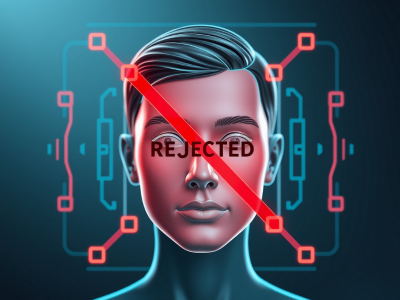
The British government has unveiled a decisive strategy to eliminate predatory software through a new UK Deepfake ban. This initiative targets “nudification” applications that use generative artificial intelligence to strip clothes from images of real people. These tools represent a severe form of digital violence that disproportionately affects women and young girls. The Home Office recently confirmed that this legislation will form a central pillar of the nation’s safety agenda. Ministers aim to halve violence against women and girls over the next ten years using these new powers.
Previously, legal frameworks mainly addressed the act of sharing explicit images without consent. However, the UK Deepfake ban shifts the focus toward the creation and supply of the technology itself. This change ensures that developers cannot hide behind the actions of their users. The government intends to introduce a specific offence that outlaws the very existence of these nudifying tools. Consequently, anyone who profits from this abuse will feel the full force of the law.
Technology Secretary Liz Kendall emphasized that the internet must be a safe space for everyone. She stated that the government will not stand by while technology is weaponized for humiliation. The UK Deepfake ban will empower police to target firms that design these harmful platforms. Furthermore, the legislation builds upon the foundations laid by the Online Safety Act. That act already requires platforms to remove illegal content or face significant financial penalties.
Under the UK Deepfake ban, creating an intimate image without consent becomes a serious criminal act. Perpetrators could face an unlimited fine or a prison sentence of up to two years. This strict approach sends a clear message that such behavior is unacceptable in modern society. Moreover, the ban aims to disrupt the business models of those who exploit others for gain. By cutting off the supply of these apps, the government hopes to reduce the overall volume of abuse.
The Internet Watch Foundation has reported a sharp rise in AI-manipulated imagery over the past year. Their data shows that nearly one in five reports now involve some form of synthetic media. Therefore, the UK Deepfake ban is a necessary response to a rapidly evolving digital threat. The government is also working with tech companies to develop on-device protections for children. These tools will help prevent the sending or receiving of explicit imagery on mobile devices.
In addition to legal action, the government will focus on the root causes of online misogyny. The UK Deepfake ban is part of a broader effort to educate young people about digital consent. Schools will receive additional resources to help pupils understand the dangers of deepfake technology. By fostering a culture of respect, officials hope to prevent future generations from engaging in digital abuse.
Advocacy groups have praised the UK Deepfake ban as a significant victory for victims. They believe that criminalizing the tools is a crucial step toward total prevention. If the tools are no longer available, the barrier to committing these crimes becomes much higher. Thus, the UK Deepfake ban represents a proactive and comprehensive solution to a complex problem.
Finally, the success of the UK Deepfake ban could set a global standard for AI regulation. As other nations struggle with synthetic media, they may look to the UK for guidance. The government remains committed to ensuring that technological progress does not come at the expense of safety. Ultimately, the UK Deepfake ban will help restore dignity and security to millions of internet users.
About the Author