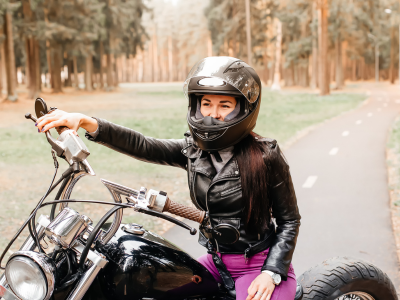
Mud has never asked for credentials. Trails never check age or gender. They only demand courage, balance, and curiosity. Therefore, it should surprise no one that off-road biking is welcoming a broader crowd than ever before. Women and young riders are entering the scene with confidence, reshaping a space once seen as exclusive.
For decades, off-road culture leaned toward one dominant image. However, that image is fading fast. Today, diversity is not a side story. Instead, it is becoming the main narrative. Manufacturers, clubs, and communities are adjusting accordingly. As a result, the sport feels more accessible and vibrant than ever. This shift is not accidental. Rather, it reflects bigger social, economic, and cultural changes. Let us explore why female and youth riders are embracing dirt trails in growing numbers.
A Changing Landscape in Motorsports
Motorsports once relied heavily on tradition. Consequently, many newcomers felt excluded. Off-road disciplines followed a similar pattern for years. However, participation barriers are slowly eroding. Social attitudes have changed significantly. Moreover, outdoor recreation has gained renewed importance. Families now seek shared experiences beyond screens. Therefore, off-road activities have gained fresh relevance.
Importantly, brands noticed this evolution early. They adjusted messaging, products, and training programs. As a result, the industry looks less intimidating. It now feels more welcoming to beginners and younger participants.
Why More Women Are Entering the Dirt Scene
Women are not new to motorcycles. However, visibility remained limited for a long time. That reality is shifting rapidly within off-road biking communities.
First, equipment now fits better. Manufacturers finally acknowledge different body ergonomics. Consequently, women feel more comfortable and confident while riding.
Second, representation matters. Female riders now appear in advertisements and competitions. Moreover, social media amplifies their voices and achievements. Therefore, newcomers find relatable role models easily.
Additionally, training programs target women directly. Many academies offer supportive learning environments. As a result, skill development feels safer and more enjoyable.
Notably, women also value the mental benefits. Riding offers stress relief and personal challenge. Therefore, many see it as empowerment, not just recreation.
Youth Riders: The Next Generation Takes the Lead
Young riders are entering trails earlier than ever. However, this growth is not reckless. Instead, it is structured and well-supported. Parents increasingly encourage outdoor skills. Consequently, youth involvement in motorsports continues to rise. Moreover, digital fatigue pushes families toward physical activities. Importantly, youth-friendly designs play a major role. Smaller frames, lighter bikes, and safety features improve accessibility. Therefore, the entry feels less overwhelming. Clubs and schools also contribute significantly. They offer mentorship and guided practice. As a result, children learn discipline, responsibility, and respect for nature.
Furthermore, competition pathways motivate young riders. They see clear progression opportunities. Therefore, commitment grows naturally over time.
The Role of Community and Culture
Community remains the backbone of any sport. In off-road biking, inclusive culture fuels sustained growth. Local riding groups now emphasize diversity. They host beginner days and family rides. Consequently, newcomers feel less isolated. Moreover, online communities provide constant encouragement. Forums and social platforms share tips and stories. Therefore, learning continues beyond the trail. Importantly, mentorship bridges generational gaps. Experienced riders guide youth and women patiently. As a result, trust and skill develop together. In contrast to past stereotypes, modern off-road culture celebrates collaboration. That cultural shift attracts broader participation.
Media Influence and Storytelling
Stories shape perception. Therefore, media coverage matters greatly. Earlier coverage focused on extreme performance. However, narratives now include lifestyle and learning journeys. Moreover, female and youth stories gain equal attention. Video platforms showcase progress, not perfection. Consequently, viewers feel inspired rather than intimidated. This change directly supports off-road biking.
Additionally, influencer partnerships amplify reach. Riders share authentic experiences, including failures. As a result, realism replaces unrealistic expectations. Notably, brands now invest in inclusive storytelling. They understand representation drives engagement and loyalty.
Safety, Education, and Responsibility
Growth demands responsibility. Therefore, safety remains a central discussion. Training programs emphasize fundamentals early. Moreover, protective gear technology continues improving. Consequently, injury risks decrease steadily. Parents appreciate structured environments for youth. Therefore, they support early participation. Education builds confidence for both riders and guardians. Importantly, environmental responsibility also matters. Riders learn trail ethics and conservation principles. As a result, sustainability aligns with sport expansion. This balance ensures off-road biking remains respected and regulated.
Market Response and Industry Adaptation
Industry adaptation follows participation trends closely. Consequently, the market reflects changing demographics. Manufacturers now design gender-neutral and youth-specific models. Moreover, pricing structures accommodate beginners. Therefore, entry barriers reduce further. Retailers also adjust inventory and training. Staff now understand diverse rider needs better. As a result, customer experience improves.
Furthermore, events now include youth and women categories prominently. That visibility reinforces long-term commitment. The industry understands one truth clearly. Diversity drives resilience and future growth.
Challenges Still on the Trail
Progress does not eliminate challenges. However, awareness helps address them. Access to trails remains uneven geographically. Consequently, some communities struggle with participation. Moreover, equipment costs still deter some families. Cultural bias occasionally persists. Therefore, continued advocacy remains necessary. Education and visibility counter outdated perceptions effectively. Importantly, balancing safety and freedom requires constant effort. However, structured guidance helps manage this balance responsibly. Despite obstacles, momentum remains strong.
What the Future Holds
The future of off-road biking looks inclusive and dynamic. Youth and women’s participation will continue rising steadily. Technology will further lower entry barriers. Moreover, digital tools will enhance training and safety. Therefore, learning will become more efficient. Community-led initiatives will expand. As a result, grassroots growth will strengthen. Families will treat off-road riding as shared recreation. Importantly, diversity will redefine leadership within the sport. New voices will influence innovation and culture. Overall, dirt trails will reflect society better than ever.
Conclusion: Dirt Welcomes Everyone
Dirt does not judge skill level or background. It only rewards persistence and respect. Therefore, the rise of female and youth riders feels natural. Off-road biking thrives when it embraces openness. Inclusivity fuels creativity, safety, and sustainability. Consequently, the sport grows stronger. Women bring fresh perspectives and leadership. Youth bring energy and future potential. Together, they reshape tradition into progress. Ultimately, the trail belongs to anyone willing to ride it. And that truth keeps the wheels turning forward.
About the Author