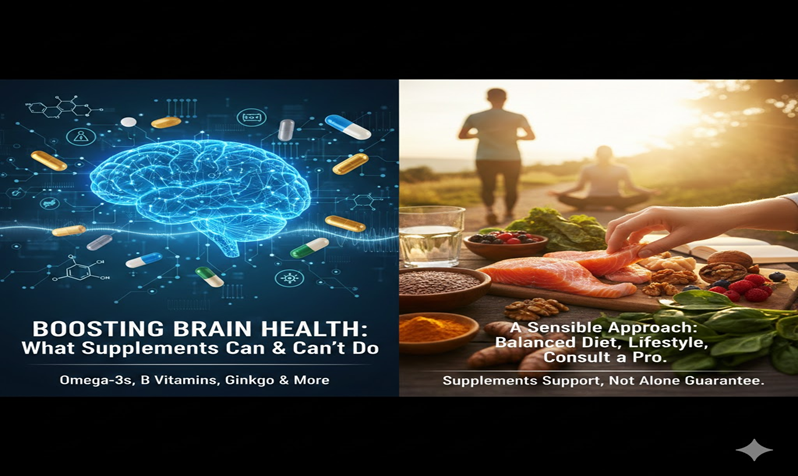
As people aim to sharpen their memory and preserve mental clarity while aging, many turn to dietary supplements. Claims about omega-3s, B vitamins, herbal extracts, or natural compounds promising improved cognition seem appealing. However, evidence remains mixed. In this article, I explore what science currently tells us and when supplements may or may not help your brain stay healthy.
The Promise of Omega-3 Fatty Acids
Omega-3 fatty acids, especially EPA and DHA, are essential fats linked to overall brain health. Some studies show that these fats may boost blood flow to the brain, support learning and memory, uplift mood, and possibly lower the risk of cognitive decline or dementia in older age.
For instance, older adults with mild memory impairment showed improved global cognition and attention when EPA and DHA were supplemented, especially when baseline omega-3 levels were already adequate. Another controlled trial found that combining omega-3s with carotenoids and vitamin E over two years reduced errors in working memory tasks among seniors.
Still, results vary: some trials yield limited or no benefit, depending on dosage, duration, and participant health.
Therefore, including omega-3s via diet (e.g., fish, walnuts, flaxseeds) or supplements may support cognitive health, but expectations should remain realistic.
What About B Vitamins, Ginkgo, and Other Supplements?
Beyond omega-3s, several other nutrients and compounds attract attention for their potential brain benefits.
- B Vitamins (B6, B12, Folate): These are essential for brain function, and some research links them to slower brain shrinkage or better memory in older people. Yet evidence is stronger when B vitamins are part of a broader nutrient-rich diet rather than taken in isolation.
- Ginkgo Biloba: This herbal extract has antioxidant properties and may help with circulation or inflammation factors affecting brain health. However, studies remain inconsistent, and risks (like increased bleeding if on blood thinners) deserve caution.
- Phosphatidylserine: This fatty substance supports nerve-cell communication. Some studies hint it might improve memory, mood, sleep, and stress resilience.
- Curcumin (from turmeric): Curcumin draws interest for its potential neuroprotective and anti-inflammatory effects. It might reduce oxidative stress and neuron damage, possibly slowing neurodegenerative changes.
That said, many claims rely on preliminary or inconsistent data. Experts often warn that supplements are not regulated like medicines, making product quality, purity, and dosage uncertain.
Why Evidence Remains Conflicted
Several factors explain the differing conclusions across research on supplements:
- Population differences: Outcomes vary significantly between younger vs older adults, individuals with or without memory issues, or those with different baseline diets and health.
- Dosage and formulation: The amount of nutrients, whether they come from food or supplements, and how long the supplementation lasts all influence effectiveness.
- Combination vs isolation: Supplements often work when paired with other nutrients (for example, omega-3s with carotenoids and vitamin E) rather than alone.
- Unclear regulation: Because dietary supplements may vary in purity or dosage from what’s on the label, their real effect may misalign with the claims.
In short, while there’s promise especially for older adults or those at risk, there’s no guarantee any particular supplement will deliver noticeable cognitive improvement.
What’s a Sensible Approach for You
Given the mixed picture, here are some guidelines if you care about brain health:
- Prioritize a balanced diet: Eating fish, nuts/seeds, leafy greens, whole grains, and varied proteins ensures you get many of the nutrients linked to cognitive support.
- Use supplements thoughtfully: If you decide to use omega-3s, phosphatidylserine, curcumin, or B vitamins, treat them as support, not as magic pills.
- Consult a health professional: Especially important if you have other health conditions or take medication (e.g., blood thinners) because some supplements affect bleeding risk or interact with drugs.
- Focus on lifestyle beyond supplements: Regular physical activity, good sleep, social interaction, mental challenges, and stress management remain the strongest predictors of long-term brain health.
Final Thoughts: Supplements Can Help, But Don’t Depend on Them Alone
Supplements for brain health offer intriguing possibilities. Omega-3s, phosphatidylserine, curcumin, and B vitamins may help support memory, mood, and cognitive resilience. Yet scientific evidence remains mixed, often depending on who takes them, in what form, and in what combination.
Rather than relying solely on pills or extracts, aim for a holistic lifestyle combining good nutrition, exercise, mental engagement, and healthy habits. Use supplements as a supportive tool, not a guarantee. That way, you give your brain the best chance of staying sharp, resilient, and healthy for years to come.
About the Author