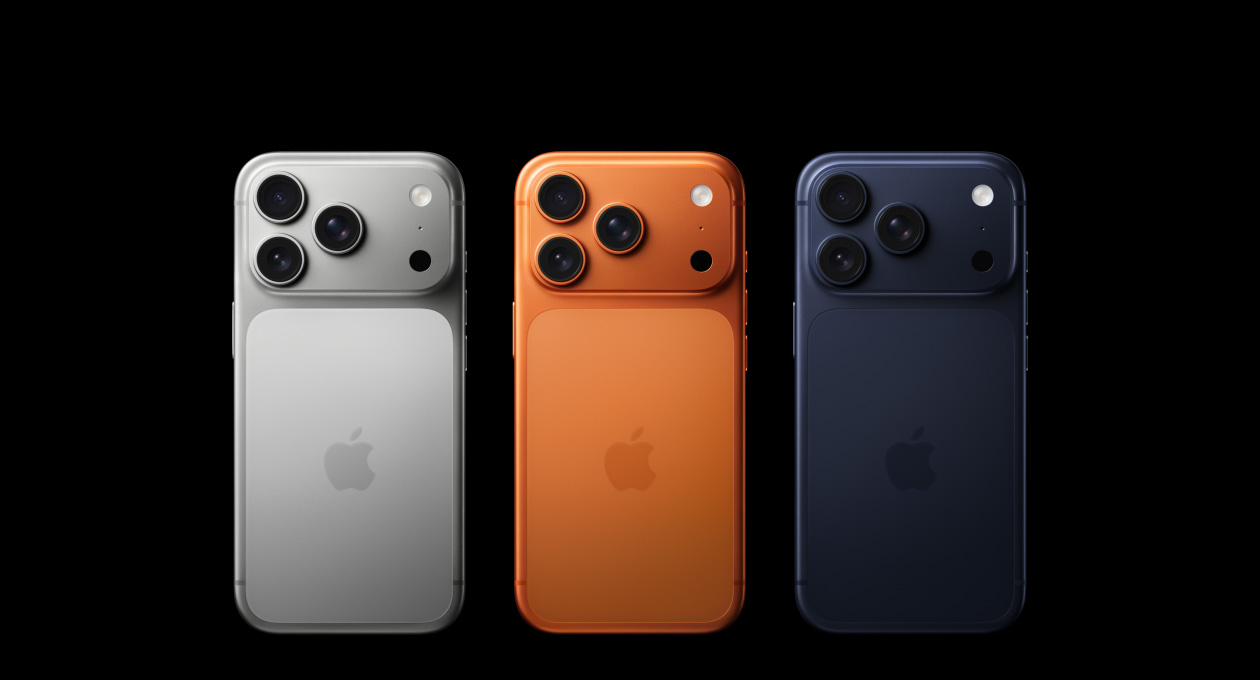
The iPhone 17 durability is under the spotlight after recent tests revealed some concerning results. Apple’s new flagship device, the iPhone 17 Pro, has been hailed as a technological marvel. However, its physical durability now raises several questions for potential buyers.
Popular YouTube channel JerryRigEverything conducted the iPhone 17 Pro durability test. The video exposed the phone’s vulnerability to scratches under everyday use. Apple claimed to use a stronger ceramic shield and titanium frame, but the results told a different story.
During the test, the display scratched at level six on the Mohs hardness scale. Deeper grooves appeared at level seven. Although this is typical for most smartphones, Apple positioned the iPhone 17 Pro as more durable. This contradiction between marketing and real-life performance may disappoint loyal Apple users.
Moreover, the titanium frame also showed visible damage after minor contact with metal objects. Keys and coins left clear marks on the edges. This level of wear and tear during a simple pocket test is concerning. Consumers expect better performance from a premium flagship.
Despite these setbacks, the iPhone 17 Pro still passed the bend test. It did not crack or flex under pressure, which was somewhat reassuring. But that is only part of the full iPhone 17 durability story. Scratches and scuffs remain more likely during normal use than many expected.
Apple has always focused on a sleek design and premium materials. However, that focus might come at the cost of real-world durability. Transitioning to a titanium frame helped reduce weight. But this may have made the surface more prone to scratching than stainless steel.
In past models, users often complained about glass fragility. With the iPhone 17 durability test, surface damage appears to be the main issue. Apple could face criticism for prioritizing form over function. For users spending over $1,000, this becomes a crucial concern.
To mitigate such risks, experts recommend using a protective case immediately. A tempered glass screen protector could also shield the display from scratches. These accessories, while helpful, add extra cost and bulk to the device.
Durability remains one of the most significant factors in a smartphone purchase. Many users carry their phones daily in their pockets or bags. Exposure to coins, keys, and other objects is inevitable. That’s why the iPhone 17 durability results surprise many tech fans and analysts.
Reviewers also tested the rear glass, which fared slightly better. Still, the phone is far from scratch-proof. Even though the new iPhone includes the latest chip and camera features, its physical toughness seems unimpressive.
Apple has yet to officially respond to these durability findings. In past years, the company acknowledged similar criticisms only after public outcry. Whether Apple will address the iPhone 17 durability concerns remains to be seen.
Furthermore, durability impacts resale value significantly. Scratched surfaces and frames reduce trade-in offers and make phones less appealing. Many customers upgrade yearly, so maintaining a device’s condition is critical.
While some users may not mind cosmetic damage, others expect their premium devices to hold up better. After all, the iPhone 17 Pro markets itself as Apple’s most advanced and robust model yet. The durability performance simply doesn’t align with that message.
Consumers might now reconsider their purchase decisions. Competing Android devices often perform better in similar tests. For instance, some flagship Android phones use Gorilla Glass Victus 2, which resists scratches more effectively.
Despite the impressive internals, the iPhone 17 durability question leaves a mark. Tech fans applaud the performance and camera improvements. Still, the physical resilience may not match the device’s high price tag.
All things considered, the iPhone 17 Pro shows strengths and weaknesses. While it handles bending and impacts fairly well, surface protection falls short. This trade-off could influence long-term satisfaction among buyers.
In conclusion, the iPhone 17’s durability issues could shape customer perception. As more users get hands-on with the device, real-world experiences will surface. Apple may need to rethink future design materials to meet durability expectations. Until then, buyers should proceed with caution and protect their devices well.
About the Author