Hydrogen Cars Struggle to Gain Traction in the US Market
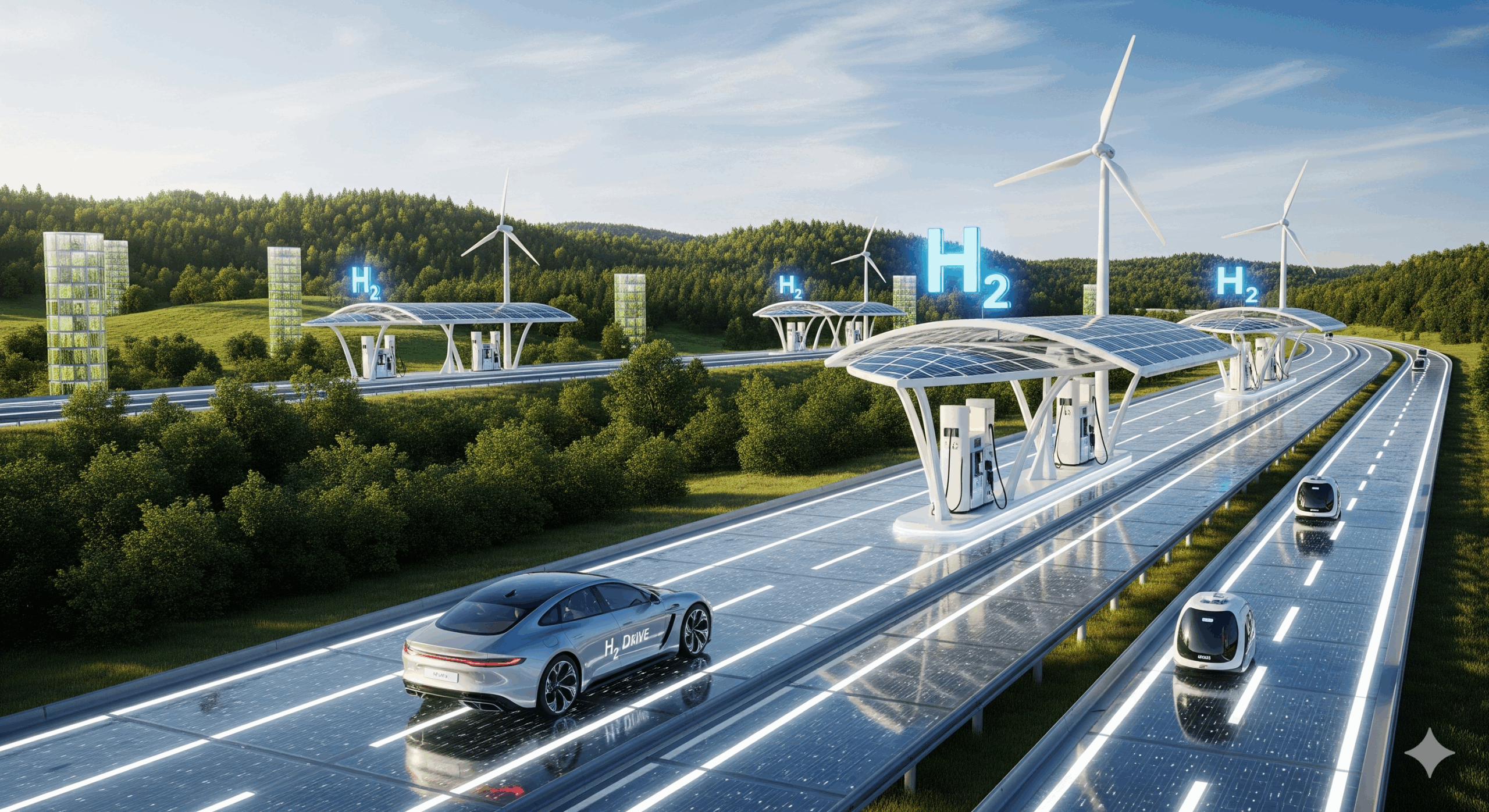
Hydrogen cars promise a cleaner transportation future. They emit only water vapor and offer zero tailpipe emissions. However, despite their eco-friendly appeal, these cars are struggling to gain traction in the United States. Consumers remain hesitant, and adoption rates continue to fall short of expectations.
Although hydrogen cars offer fast refueling and long driving ranges, they face significant challenges. One major issue is the lack of refueling infrastructure. Most hydrogen stations are located in California, leaving the rest of the country underserved. Consequently, drivers outside this region find hydrogen cars impractical for daily use.
In comparison, electric vehicles benefit from a well-established charging network. This gives them a clear advantage in convenience and accessibility. As a result, many consumers choose electric vehicles over hydrogen cars. Until the refueling network expands, these cars will remain a niche option.
Moreover, hydrogen cars are expensive to produce and purchase. Their technology involves complex fuel cells and rare materials. These factors drive up manufacturing costs, which are passed on to buyers. Even with federal incentives, the cars remain out of reach for many Americans.
Fueling hydrogen cars also presents financial challenges. Hydrogen fuel prices are often higher than gasoline or electricity. This makes ownership less economical, especially for budget-conscious consumers. Therefore, many buyers opt for electric vehicles, which offer lower operating costs.
Automakers have shown interest in hydrogen cars, but their commitment remains limited. Brands such as Toyota, Hyundai, and Honda have introduced hydrogen-powered models. However, production volumes are low, and availability is restricted. Manufacturers cite low demand and high development costs as reasons for their cautious approach.
Some companies have shifted focus entirely to electric vehicles. They invest in battery technology and charging infrastructure instead. This strategic pivot reflects current market trends and consumer preferences. Without strong industry support, hydrogen cars face an uphill battle.
Public awareness of hydrogen cars also remains low. Many Americans are unfamiliar with the technology and its benefits. Surveys show that most drivers cannot name a single hydrogen car model. This lack of knowledge contributes to slow adoption rates.
In addition, consumers often confuse these cars with electric vehicles. They do not understand the differences in fueling, maintenance, and performance. This confusion leads to hesitation and missed opportunities. Clear communication and education are essential to build trust and interest.
Despite these challenges, hydrogen cars offer significant environmental benefits. They reduce greenhouse gas emissions and help combat climate change. Their fast refueling times and long ranges make them ideal for commercial fleets and long-distance travel. If adopted widely, these cars could transform the transportation sector.
Government support for hydrogen cars exists but varies by region. California leads the way with generous incentives and infrastructure investments. Other states offer limited support, creating a fragmented policy landscape. A unified national strategy could improve adoption and encourage innovation.
Looking ahead, the future of hydrogen cars remains uncertain. Technological advancements may reduce costs and improve efficiency. Increased investment in infrastructure could make the cars more accessible. If these changes occur, these vehicles might finally gain momentum in the US market.
However, for now, the cars continue to face significant barriers. Infrastructure gaps, high costs, and low public awareness hinder their growth. Electric vehicles dominate the green transportation conversation. Unless conditions change, these cars will remain a promising but underutilized solution.
In conclusion, hydrogen cars offer a compelling vision for sustainable mobility. Yet, in the United States, they struggle to move beyond early adoption. Overcoming infrastructure and cost challenges is essential for their success. With coordinated efforts, the cars could play a vital role in the future of clean transportation.
About the Author