Messaging App
A significant surge in online scams is compromising the Kremlin-backed messaging app, Max. Furthermore, thousands of advertisements for account access are circulating. This trend is sparking major cybersecurity concerns. People must now exercise caution when using this messaging app.
The messaging app Max, a new platform by VK, is experiencing a sharp rise in fraud. This app was launched in March. Its development was a Kremlin priority. Indeed, it now comes pre-installed on all new devices in Russia. Officials have promoted the messaging app as a secure alternative to foreign platforms. However, security vulnerabilities are escalating.
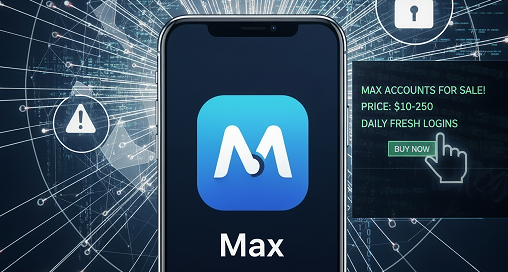
Consequently, new schemes are emerging on darknet forums. Fraudsters are actively advertising access to Max accounts. They offer a range of prices, from $10 to $250, for temporary account control. These ads appear in large numbers daily. Criminals use legitimate accounts for their scams. They bypass spam filters easily. They trick victims into giving away money or personal information. The use of this messaging app for fraudulent activity is growing.
This particular messaging app faces serious scrutiny. Reports indicate that nine percent of all fraudulent calls in Russia originate from Max. Analysts predict this figure could double soon. This widespread issue reveals a troubling pattern. The messaging app’s rapid adoption has created a large, vulnerable user base. The developers have recognized these issues.
The developers of the messaging app say account rental is an isolated problem. They furthermore claim to be taking action. For example, they blocked 67,000 suspicious accounts in August. They have also partnered with cybersecurity firms. The company wants to improve security. They work with Sberbank and Kaspersky Lab.
New laws have taken effect, criminalizing the transfer of social media and messaging app accounts. Violators could face up to two years in prison; yet, despite these measures, scams continue. The Interior Ministry has since issued a warning, stating that account rental schemes first appeared on Max. This development is particularly concerning.
Bug bounties revealed the messaging app’s vulnerabilities. Security researchers discovered flaws within weeks, and the company paid out rewards to address these serious security gaps. This situation illustrates the dangers of hurried development, which prioritized speed over security and, in doing so, left many users exposed.
Additionally, the Messaging App has privacy concerns. Reports reveal it collects extensive user data, including IP addresses and contact lists. The app’s privacy policy states that it can share data with state authorities; therefore, critics call it a surveillance tool. This dual-use nature adds to the overall risk.
Furthermore, experts warn about the app’s future, as it might become a “digital gulag” that restricts digital freedoms. The app’s mandatory nature raises many questions, since people cannot register without a valid Russian or Belarusian phone number. The app also blocks virtual numbers, which makes access difficult for many.
The problems with this messaging app are not unique, as other platforms have faced similar issues. However, this situation is particularly notable because the Messaging App is state-backed and a mandated platform. This context amplifies the risks, creating a system where a single point of failure affects millions.
This ongoing situation warrants careful monitoring. The security of this app is a national issue, and the Kremlin’s push for digital sovereignty comes with a high cost. It appears to be a trade-off between control and security, and ultimately, users of this messaging app pay the price, facing constant threats of fraud and data breaches.
About the Author